Trekking Tanzania: A Comprehensive Guide to Mountain Climbing
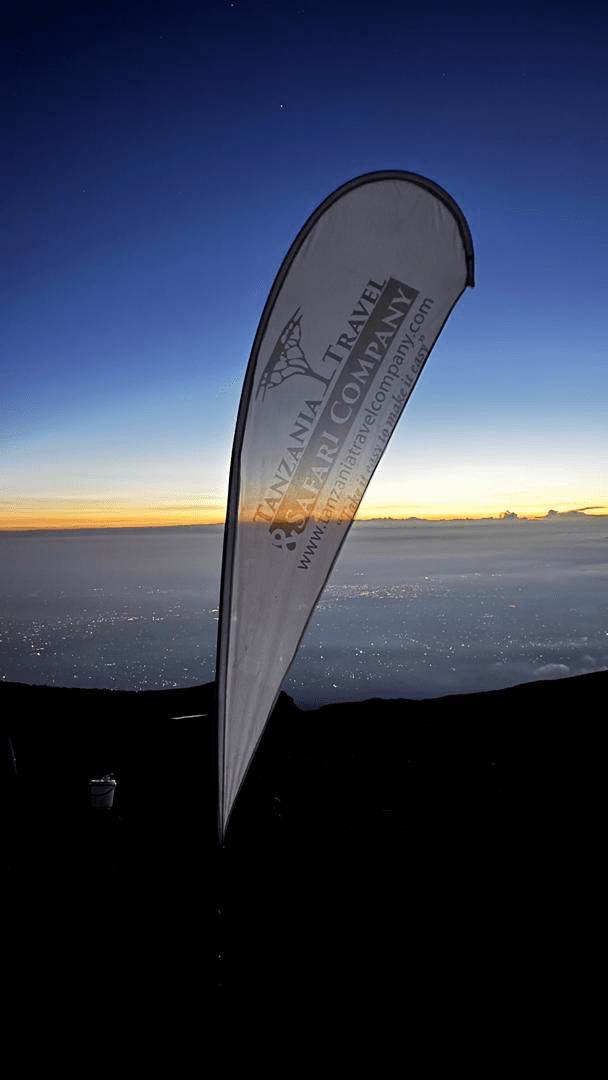
By Sam Diah | Founder, CEO & Head Tour Consultant, Tanzania Travel & Safari Company Ltd.
Tanzania holds some of the most dramatic volcanic topography, ancient high-altitude forest and rift valley peaks in Africa. From the snow-capped roof of the continent to sacred active volcanoes and trails you can walk for days without meeting anyone, there is a trek here for every level of experience.
We are a locally owned safari and adventure outfitter based in Arusha, with over 25 years of local operating experience, and we run all of these expeditions ourselves. This guide covers what is actually worth climbing in Tanzania, and what each one asks of you.
1. Mount Kilimanjaro (5,895 m): the roof of Africa
The highest peak in Africa and the tallest free-standing mountain in the world. Kilimanjaro rises through five distinct climate zones, from tropical rainforest to arctic summit slopes, and requires no technical climbing skill — which is what puts it within reach of any reasonably fit trekker.
The main routes
- Lemosho (7–8 days). Our usual recommendation, for the scenery and for the acclimatization profile.
- Machame (6–7 days). The "Whiskey Route" — dramatic views and a steeper, more demanding profile.
- Marangu (5–6 days). The "Coca-Cola Route", and the only one with permanent A-frame huts rather than tents.
- Rongai (6–7 days). The only approach from the north, drier underfoot and much quieter than the southern trails.
If you are weighing up how long to take, we have written about that separately in how long it really takes to hike Kilimanjaro.
2. Mount Meru (4,566 m): the crown of Arusha
Tanzania's second-highest mountain sits inside Arusha National Park, and the trek is as much a wildlife experience as a climb.
- The hike: three to four days via the Momella Route, across volcanic crater rims and ash cones.
- Wildlife: you walk with an armed national park ranger, and buffalo, giraffe, colobus monkey and warthog are all common on the lower slopes.
- The summit: sunrise over Kilimanjaro from Socialist Peak, with the ash cone below you.
- Best for: a shorter mountain trip in its own right, or as an acclimatization climb before Kilimanjaro.
3. Ol Doinyo Lengai (2,962 m): the sacred volcano
Rising out of the arid plains above Lake Natron, Ol Doinyo Lengai is the only active natrocarbonatite volcano in the world. Its lava erupts far cooler than ordinary lava and is nearly black, turning stark white as it weathers. The mountain is sacred to the Maasai, who know it as the Mountain of God.
- The trail: a steep midnight ascent of more than 1,600 vertical meters over loose volcanic ash.
- The experience: standing on an active crater rim at dawn, looking out over the flamingos of Lake Natron and the rift escarpment.
Make no mistake about the difficulty — this is the hardest short climb in the country, and the descent on loose ash is harder than the way up.
4. Off the beaten path
For solitude, wilderness camping and genuine cultural contact, Tanzania's lesser-known highlands are largely untouched.
- Mount Hanang (3,423 m). Tanzania's fourth-highest peak, with rewarding day hikes through Barabaig and Iraqw homelands.
- The Ngorongoro Highlands. Half-day crater hikes into Empakaai and Olmoti — cloud forest, soda lakes and Maasai walking trails.
- The Maasai bush trek. Multi-day wilderness walking from Longido across the dry plains of Kitumbeine and Gelai to the Sunken Crater.
Tanzania mountain comparison
| Peak or trail | Elevation | Duration | Difficulty | Best feature |
|---|---|---|---|---|
| Mount Kilimanjaro | 5,895 m | 6–8 days | Moderate to strenuous | The summit of Africa, through five climate zones |
| Mount Meru | 4,566 m | 3–4 days | Moderate | Walking safari and crater rim ridges |
| Ol Doinyo Lengai | 2,962 m | Overnight | Strenuous | Active caldera and Lake Natron views |
| Mount Hanang | 3,423 m | 1–2 days | Moderate | Solitude and cultural heritage |
| Empakaai Crater | 3,280 m | Half day | Easy to moderate | Crater floor soda lake and flamingos |
Preparation and gear
Fitness and acclimatization
Trekking in Tanzania asks for stamina rather than technical skill. The single biggest thing you control is route length: choosing seven or eight days on Kilimanjaro over five materially raises your chance of summiting, because it gives your body time to adapt.
What to bring
- Moisture-wicking base layers and thermal insulation — fleece or a down jacket.
- A waterproof, windproof outer shell, jacket and pants.
- Broken-in trekking boots with good ankle support. Broken in matters more than new.
- A sub-zero sleeping bag, rated to −10°C or lower for the high camps.
- Trekking poles, a headlamp and UV sunglasses.
Our full packing list goes into more detail, including what we supply and what you need to bring yourself.
Why trek with us
We are a Tanzanian-owned outfitter based in Arusha, and we handle every part of a mountain expedition ourselves:
- Expert local crew. Certified high-altitude guides, professional mountain cooks and dedicated porters.
- Safety first. Daily health checks, pulse oximeter monitoring, emergency oxygen and wilderness first-aid kits on every climb.
- Ethical, sustainable operation. Fair wages and proper treatment for our mountain crews, and leave-no-trace practice on the trail.
Karibu Tanzania.Contact our team to start planning your trek, or look through our Kilimanjaro routes.


