Overview
Tanzania is renowned for its expansive wild landscapes, from the Serengeti's Great Migration — millions of wildebeest and zebra crossing predator-filled rivers in search of fresh grazing — to the Ngorongoro Crater, the world's largest unbroken volcanic caldera and home to a dense concentration of wildlife including the Big Five. The national park network extends further to Kilimanjaro, Arusha, Tarangire, Lake Manyara, Ruaha, and more, each telling a different chapter of the country's natural story. Off the coast, Zanzibar and Mafia Island add Arabian-influenced beaches and coral reef diving to the mix.
Whether you're looking for abundant wildlife, rich cultural heritage, or simply a place to disconnect from the modern world, Tanzania offers an unparalleled experience. It remains one of the few places on Earth where nature dictates the rhythm of life.
Best Time to Visit Tanzania
June to October (Dry Season)
Things to Do
Not to Miss
Tap any of these to see what it is and which trips go there.
Fourteen thousand square kilometers of open plain, acacia woodland and granite kopjes, and the stage for the Great Migration — close to two million wildebeest and zebra moving in a slow clockwise loop through the ecosystem. Even outside the migration months the resident lion, cheetah and leopard density is among the highest anywhere in Africa.
When to go
Year-round. River crossings in the north roughly July–September; calving on the southern short-grass plains January–March.
The largest intact volcanic caldera in the world, and effectively a 260 square kilometer bowl with its own resident wildlife population that has little reason to leave. You descend 600 meters to the floor. It is one of the most reliable places on the continent to see black rhino, alongside lion, elephant and hippo in a single morning.
When to go
June to October for the driest tracks, though the crater holds wildlife year-round.
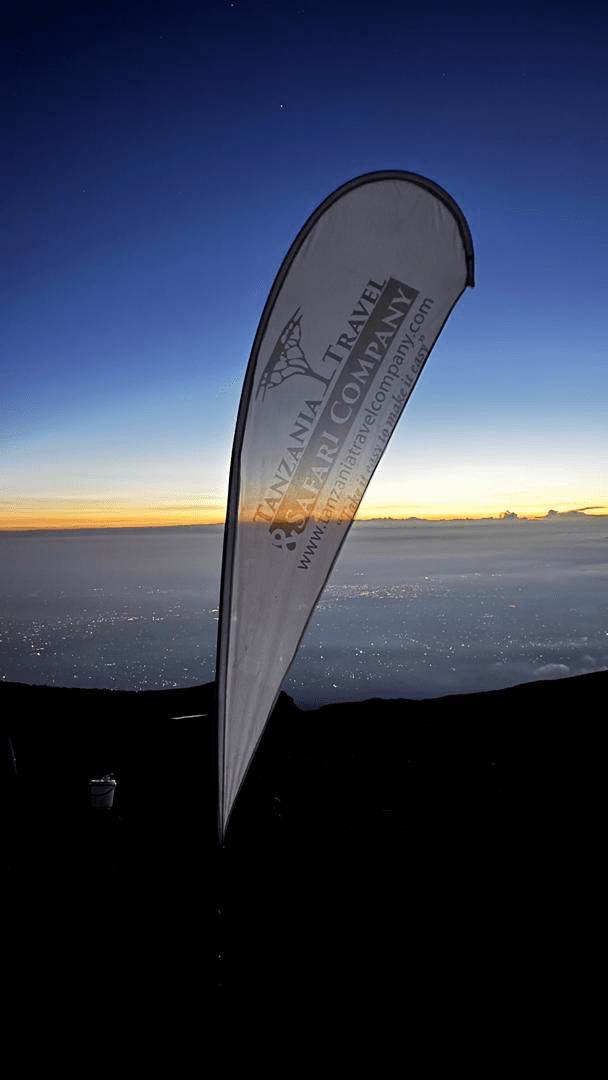
The highest peak in Africa at 5,895 meters and the tallest free-standing mountain on earth. No technical climbing is involved, which puts the summit within reach of any reasonably fit trekker willing to walk for a week. The route rises through five climate zones, from rainforest to arctic summit slopes.
When to go
January to mid-March and June to October. Avoid the long rains in April and May.
Best known for very large elephant herds and for ancient baobabs standing over the Tarangire River. In the dry season the river is the only water for miles and the concentration of game along it rivals anywhere on the northern circuit — with a fraction of the vehicles.
When to go
June to October, when the river pulls everything to it.
Region Map & Logistics
All our Tanzania itineraries start with an airport transfer from Kilimanjaro International Airport (JRO) or local airstrips. We handle all park fees, permits, and internal transit.
Enquire About Tanzania