The Ultimate Tanzania Destination Guide: From Endless Plains to Tropical Paradise
By Sam Diah | Founder, CEO & Head Tour Consultant, Tanzania Travel & Safari Company Ltd.
Tanzania stands as East Africa's preeminent safari and holiday destination. Home to snow-capped peaks, expansive savannas teeming with wildlife, ancient volcanic calderas, and turquoise Indian Ocean waters, Tanzania offers an unmatched array of natural wonders.
Whether you are seeking the thrill of tracking the Great Migration, summiting the Roof of Africa, or unwinding on pristine white-sand beaches, Tanzania Travel & Safari Company is dedicated to curating unforgettable, seamless wilderness experiences.
1. The Northern Safari Circuit & Highlands
Tanzania's Northern Circuit is world-famous for its high concentration of iconic wildlife and dramatic geological features.
Mount Kilimanjaro National Park
Mount Kilimanjaro is a UNESCO World Heritage Site and home to Africa's highest peak (Uhuru Peak at 5,895 meters / 19,341 feet). Formed over 750,000 years ago by volcanic activity along the Great Rift Valley, the mountain features three distinct volcanic cones: Shira, Kibo, and Mawenzi.
Climbing Kilimanjaro takes trekkers through five distinct ecological zones:
- Lower Slopes: Cultivated farmland and lush tropical rainforest home to blue monkeys, colobus monkeys, leopards, and forest elephants.
- Heath & Moorland: Open expanses of giant lobelias and heather plants.
- Alpine Desert: A barren, lunar-like landscape leading to the icy glaciers of Kibo.
- Summit Zone: Glaciers and breathtaking panoramas at the Roof of Africa.
Best Time to Trek: The dry season from late June to October and January to March offers clear skies and favorable conditions for summiting.
Serengeti National Park
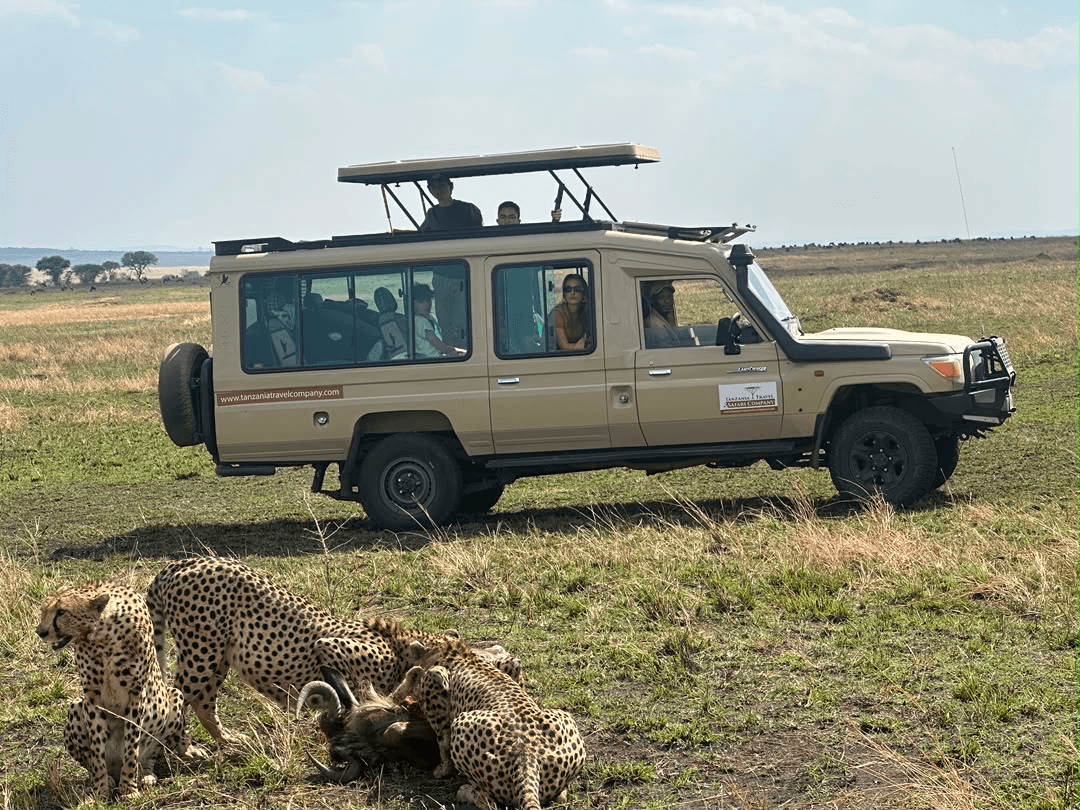
Derived from the Maasai word Siringet, meaning "endless plains," the Serengeti is Tanzania's flagship national park. It hosts the world-renowned Great Migration, where over 1.5 million wildebeest and hundreds of thousands of zebras and gazelles move clockwise in search of fresh grazing.
- Key Wildlife: All of Africa's Big Five (lion, leopard, elephant, buffalo, rhino), plus cheetahs, spotted hyenas, black-backed jackals, and nearly 500 species of birds.
Seasons:
- December – March: Calving season in the southern short-grass plains (Ndutu).
- June – July: Western Corridor and river crossings at the Grumeti River.
- August – October: Northern Serengeti river crossings across the Mara River into the Masai Mara.
Ngorongoro Conservation Area & Olduvai Gorge
The Ngorongoro Crater is the world's largest intact, unflooded volcanic caldera, formed nearly three million years ago. Its 600-meter-deep walls enclose a self-contained sanctuary featuring high concentrations of large mammals, including rare black rhinos, massive bull elephants, and dense lion prides.
Olduvai Gorge: Located within the conservation area, Olduvai Gorge is one of the world's most critical paleoanthropological sites. Pioneer researchers Louis and Mary Leakey uncovered hominid fossils and stone tools dating back over 2 million years, alongside the famous 3.6-million-year-old fossilized footprints at nearby Laetoli.
Lake Manyara National Park
Nestled at the base of the Rift Valley escarpment, Lake Manyara National Park features alkaline lakes, dense groundwater forests, and acacia woodlands.
- Highlights: Famous for its tree-climbing lions, vast herds of elephants, high concentrations of olive baboons, and seasonal flocks of thousands of lesser and greater flamingos along the lake shore.
- Activities: Game drives, night safaris, canoeing (when water levels allow), and treetop canopy walks.
Tarangire National Park
Characterized by giant baobab trees and hilly savannas, Tarangire comes alive during the dry season (July to October). Animals migrate from surrounding areas to the permanent water source of the Tarangire River.
- Highlights: Home to some of the largest elephant herds in East Africa (groups of up to 300 individuals), along with over 550 recorded bird species, making it a haven for birdwatching enthusiasts.
2. Tropical Islands & Beach Escapes
After a dusty wildlife safari, Tanzania's Indian Ocean coastline offers warm tropical waters, vibrant marine life, and historic Swahili culture.
| Destination | What to Expect |
|---|---|
| Stone Town | Historic UNESCO Swahili hub, spice markets, carved wooden doors |
| Zanzibar | Powdery white-sand beaches, luxury resorts, coral reefs |
| Pemba Island | Deep-sea diving, clove plantations, secluded bays |
| Mafia Island | Marine park, whale shark encounters, green turtle nesting sites |
Zanzibar Beaches & Stone Town (Unguja)
Zanzibar combines palm-fringed beaches with rich cultural heritage.
- Stone Town: A UNESCO World Heritage site featuring winding alleys, 19th-century Swahili-Arab architecture, brass-studded wooden doors, the House of Wonders, and the vibrant Forodhani Night Market.
- Coastal Beaches: White-sand beaches around Nungwi, Kendwa, and Paje offer superb swimming, kitesurfing, and diving.
Pemba Island
Located north of Zanzibar, Pemba is a lush, hilly island famous for clove production and pristine underwater ecosystems.
- Diving & Marine Life: Features dramatic underwater drop-offs, pristine coral walls, and clear visibility.
- Vibe: Tranquil and uncrowded, offering an exclusive off-the-beaten-path island experience.
Mafia Island Marine Park
Mafia Island is an eco-tourism hotspot protected by Tanzania's first marine park.
- Diving & Snorkeling: Home to vibrant coral gardens, over 400 species of fish, and green turtle nesting grounds.
- Whale Sharks: Swimming alongside gentle whale sharks is a primary attraction between October and March.
- Deep-Sea Fishing: Renowned for big-game fishing (marlin, sailfish, tuna).
3. Southern & Western Circuit Wilderness Areas
For travelers seeking remote, untamed wilderness away from the crowds, Southern and Western Tanzania offer raw nature at its finest.
| Destination | Distinctive Feature | Key Attractions | Best Visiting Months |
|---|---|---|---|
| Nyerere National Park (Selous) | Africa's Largest Protected Reserve | Boat safaris along the Rufiji River, wild dogs, hippos, large elephant herds. | July – October |
| Ruaha National Park | Rugged Southern Wilderness | Enormous elephant populations, over 400 bird species, baobab landscapes. | June – October |
| Katavi National Park | Remote Floodplains | Huge hippo pods (up to 200 in single pools), massive buffalo herds. | July – October |
| Gombe Stream National Park | Chimpanzee Sanctuary | Jane Goodall research site, guided chimp trekking on Lake Tanganyika. | July – October |
| Lake Victoria & Rubondo Island | African Great Lakes | Island bird sanctuaries, fishing, White Nile source regions. | Year-Round |
Plan Your Dream Safari with Tanzania Travel & Safari Company
At Tanzania Travel & Safari Company Ltd., we design tailored itineraries that suit your travel dates, budget, and adventure style — from private luxury safaris and Kilimanjaro climbs to beach holidays and cultural tours.
- Lead Tour Consultant: Sam Diah
- Website:www.tanzaniatravelcompany.com
- Official Facebook Page: Tanzania Travel Company


