Kilimanjaro Climbing Tips: Expert Advice for a Successful Ascent
By Sam Diah | Founder, CEO & Head Tour Consultant, Tanzania Travel & Safari Company Ltd.
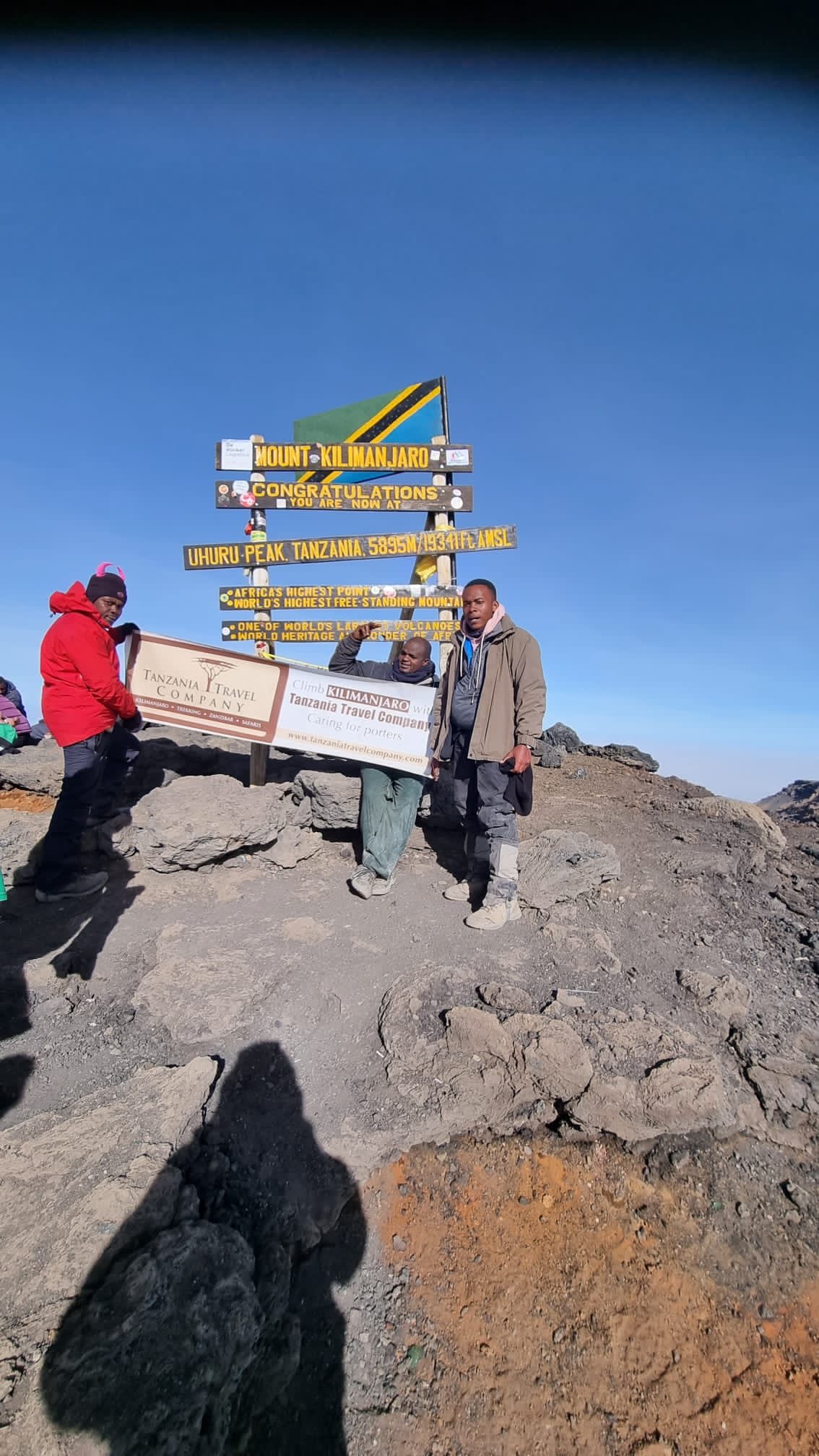
Standing at 5,895 meters (19,341 feet), Mount Kilimanjaro is the highest peak in Africa and the ultimate bucket-list expedition for mountain lovers worldwide. However, reaching Uhuru Peak takes far more than sheer determination — it requires meticulous preparation, proper acclimatization, and seasoned operational leadership.
With over 25 years of hands-on experience as a premier local ground handler organizing Kilimanjaro climbs, our team at Tanzania Travel & Safari Company Ltd. have guided thousands of trekkers to the summit safely. Drawing from a quarter-century of expertise on the mountain, here is our definitive guide to ensuring a successful, safe, and memorable ascent.
1. Respect the Pace: Pole Pole
The golden rule of high-altitude trekking in Tanzania is pole pole (Swahili for "slowly, slowly").
- Conserve Your Energy: Moving at a deliberate, measured pace right from the lush rainforest base keeps your heart rate low and conserves valuable muscular energy for the tough summit push.
- Allow Natural Adaptation: Rapid ascents trigger Acute Mountain Sickness (AMS). Keeping a steady pace ensures your body adjusts gradually to decreasing oxygen levels.
2. Prioritize Proper Acclimatization
Choosing the right itinerary duration is the single most critical factor in determining your summit success.
- Choose 7 to 8-Day Routes: While 5-day climbs exist, itineraries lasting 7 or 8 days — such as the Lemosho Route, 7-Day Machame, or the Northern Circuit — drastically increase summit success rates by giving your body time to adapt.
- Climb High, Sleep Low: Select routes that incorporate acclimatization profiles where you trek to higher elevations during the afternoon and drop down to lower camps to sleep.
3. Hydrate & Fuel Your Body
High-altitude conditions, cool mountain air, and physical exertion accelerate dehydration without you even realizing it.
- Drink 4 to 5 Liters Daily: Dehydration exacerbates altitude sickness symptoms. Carry an insulated hydration pack or water bottles and drink consistently throughout the day.
- Eat High-Calorie Meals: Appetite often drops at high elevations. Our dedicated mountain chefs prepare hot, calorie-dense meals rich in carbohydrates to keep your core body temperature and energy levels high.
4. Invest in Quality Gear & Layering
Kilimanjaro features five microclimates, taking you from equatorial rainforest to arctic glaciers in a matter of days. Preparing for extreme temperature swings is vital.
- Layering System: Pack moisture-wicking synthetic base layers, thermal insulating fleeces or down jackets, and a windproof/waterproof outer shell.
- Broken-in Boots: Never attempt Kilimanjaro with brand-new footwear. Ensure your trekking boots are thoroughly broken in with sturdy ankle support.
- Sub-Zero Sleeping Bag: Night-time temperatures at high-altitude camps (such as Barafu or Kibo Huts) drop well below freezing. A sleeping bag rated to at least -10°C (14°F) is essential.
5. Trust an Experienced Local Ground Handler
After 25+ years on the ground handling Kilimanjaro logistics, we know that a summit attempt is only as strong as the crew supporting you.
- Wilderness First Responder (WFR) Guides: Ensure your lead guides carry WFR certifications, conduct twice-daily pulse oximeter health checks, and carry emergency bottled oxygen on every climb.
- Ethical Porter Treatment: A successful climb relies heavily on the dedication of your porters and chefs. Partner with an operator that guarantees fair wages, proper meals, and suitable high-altitude gear for the crew.
Trekking Tips Quick-Reference Guide
| Tip Category | Key Action Item | Why It Matters |
|---|---|---|
| Pacing | Walk pole pole (slowly) | Conserves muscle energy and prevents early onset AMS |
| Itinerary | Select 7–8 day routes | Maximizes acclimatization for an 85%+ summit success rate |
| Hydration | 4–5 Liters of water daily | Prevents dehydration-induced altitude headaches and fatigue |
| Gear | Quality outer shell & -10°C bag | Protects against freezing Arctic summit temperatures |
| Safety | Daily pulse & medical monitoring | Catches early signs of altitude sickness before it becomes severe |
Summary of Ground Handling Excellence
Conquering the "Roof of Africa" is a life-changing triumph when backed by deep local knowledge and rigorous safety standards. For over 25 years, Sam Diah and Tanzania Travel & Safari Company Ltd. have delivered world-class ground handling, expert mountain crews, and unforgettable wilderness experiences across Tanzania.
Karibu Tanzania! Contact Sam Diah today to start planning your custom Kilimanjaro expedition.